Health and Safety Policy for Cleaner Bermondsey
 Our Health and Safety Policy sets out how a cleaner in Bermondsey can work safely, protect others, and maintain high standards during every task. It applies to all cleaning activities, including domestic cleaning, office cleaning, shared areas, and specialist surface care. The aim is to reduce risk, prevent accidents, and ensure that every Cleaner Bermondsey routine is carried out with care, professionalism, and responsibility.
This policy is based on a simple principle: safety must come before speed. Cleaning work often involves moving equipment, handling substances, working near electrical items, and entering different types of spaces. For that reason, every cleaner should take a careful, methodical approach and avoid rushing. Good planning helps lower the chance of slips, trips, skin irritation, breathing issues, and damage to property.
All cleaning operatives should receive suitable instruction on safe working methods, correct product use, and emergency response. A cleaner in Bermondsey should be familiar with the risks associated with each task and know when to stop work if conditions become unsafe. Where a task appears uncertain or unusually demanding, it should be reassessed before it begins.
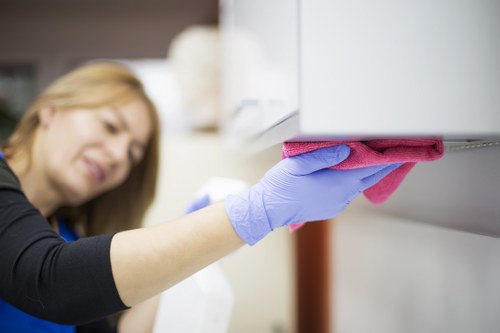 Risk assessment is an essential part of this policy. Before work starts, the area should be checked for hazards such as wet floors, blocked walkways, broken glass, unstable furniture, exposed wires, or poor lighting. The cleaner should identify what may cause harm, decide how the hazard can be controlled, and then proceed only when the area is reasonably safe.
Cleaning products must always be used according to their instructions. Chemicals should never be mixed unless the label clearly allows it, and containers must be kept closed and stored properly. A cleaning policy should make it clear that only suitable products are used for each surface. Where needed, protective gloves, masks, or eye protection should be worn to reduce exposure.
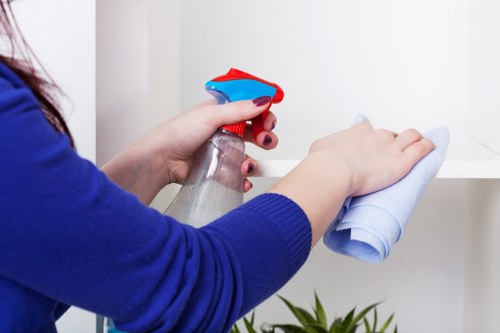 Manual handling is another important area of control. Lifting buckets, moving vacuum equipment, and carrying supplies can strain the back or shoulders if done badly. To stay safe, the cleaner should use correct lifting techniques, test loads before moving them, and ask for help when an item is too heavy or awkward. Good posture and steady movement are important throughout the workday.
Slip and trip prevention is vital in all cleaning environments. Warning signs should be used where floors are wet, and pathways should be kept clear of tools, cords, and waste. When a Cleaner Bermondsey is working in a busy shared space, extra care must be taken to avoid creating hazards for residents, staff, or visitors. Spills should be cleaned promptly, and floors should be allowed to dry fully when necessary.
Personal protective equipment must be worn when the task or product requires it. Gloves help protect the skin from irritation, masks may be needed when dust is present, and suitable footwear can improve grip and reduce the chance of slipping. PPE should be clean, in good condition, and used properly. It is not a substitute for safe working habits, but it is an important additional control.
Electrical safety must also be observed. Cleaning around plugs, sockets, appliances, and extension leads requires caution, especially when water is being used. Equipment should be checked before use for visible damage, loose parts, or faulty cables. If a machine appears unsafe, it should not be used. The cleaner should never handle electrical items with wet hands or use equipment in ways that could create a shock risk.
The policy also covers infection prevention and hygiene. Hands should be washed after cleaning, after removing gloves, and after contact with waste or contaminated surfaces. Reusable tools should be cleaned and stored properly, while waste must be collected and disposed of in line with the area’s requirements. A cleaner in Bermondsey should treat hygiene as part of safety, not as a separate issue.
In the event of an accident, the cleaner should act quickly and calmly. Minor incidents such as cuts or splashes should be dealt with using first aid procedures and reported according to workplace rules. More serious incidents, including chemical exposure, falls, or fire-related concerns, require immediate escalation. Everyone involved should know where the nearest safe exit, first aid supply, and emergency equipment are located.
Fire safety is a shared responsibility. Cleaning materials should not block exits, and flammable products should be stored away from heat sources. If the cleaner notices smoke, unusual smells, or signs of electrical overheating, the area should be left immediately and the situation reported. Safe evacuation is always more important than finishing a task.
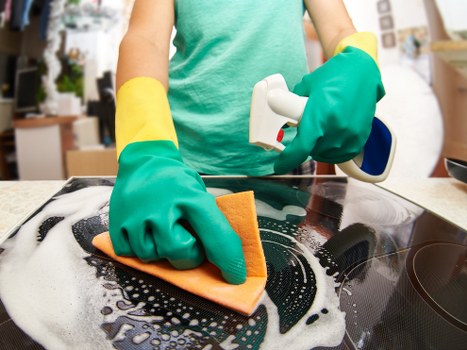 Supervision, review, and continual improvement are key parts of maintaining a strong health and safety policy. Procedures should be checked regularly to ensure they still reflect current working conditions and common risks. If a cleaner identifies a recurring problem, such as poor lighting or repeated spill hazards, it should be reported so that controls can be improved.
It is also important that cleaners remain fit for work. Fatigue, illness, stress, or distraction can increase the chance of mistakes. Where a task feels unsafe or physically unsuitable, the cleaner should raise the concern rather than continue under pressure. A professional approach means recognising limits and working within them.
Overall, this policy supports safe, reliable, and respectful cleaning standards for every Cleaner Bermondsey assignment. By using proper equipment, following safe methods, and staying alert to hazards, cleaning work can be completed efficiently without putting people at unnecessary risk. Safety, consistency, and care remain the foundations of good practice.
 This Health and Safety Policy should be followed at all times and reviewed whenever tasks, products, or working conditions change. Every cleaner has a duty to work safely, report concerns, and protect the wellbeing of everyone nearby. With the right habits in place, a cleaner can deliver a high standard of service while keeping risk under control.