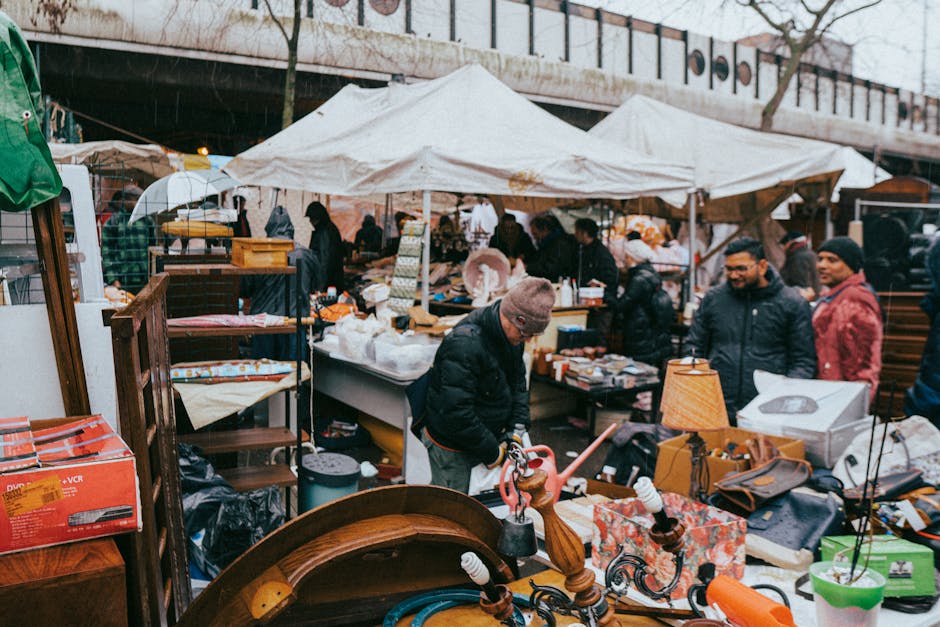
Maltby Street Market Emergency Cleaning for Stallholders in Bermondsey
When a spill happens five minutes before opening, or a greasy prep area suddenly needs sorting before the next rush, you do not have time for guesswork. That is exactly where Maltby Street Market emergency cleaning for stallholders in Bermondsey comes in. It is the fast, practical response that helps you get back to trading with as little disruption as possible. Whether you are dealing with dropped stock, broken glass, stubborn food residue, odours, or a last-minute hygiene issue, the aim is simple: make the stall safe, presentable, and ready for service again.
In a busy market setting, small problems have a habit of becoming bigger very quickly. One wet patch turns into a slip risk. One sugary spill attracts flies. One splash of sauce on a display cloth can make the whole stall look tired. This article explains what emergency cleaning means for stallholders in Bermondsey, how it works in practice, what to prioritise, and how to choose the right support when time is tight.
It is written for real market conditions, not a spotless showroom. Let's face it, market life is lively, messy, and often brilliant for exactly that reason.
Why Maltby Street Market Emergency Cleaning for Stallholders in Bermondsey Matters
Maltby Street Market is not a place where you can afford a long reset. The market environment is compact, busy, and very visible. Customers are close to your prep surfaces, your serving counter, your floor, and the materials that make your stall look trustworthy. If something goes wrong, everyone notices. Quickly.
Emergency cleaning matters because it protects three things at once: safety, presentation, and trading time. That is the balance stallholders are always trying to hold. A swift response can stop a minor incident from becoming a lost session, a complaint, or a frustrating clean-up that spills into the rest of the day.
There is also a very practical market reality here. Bermondsey footfall can be brilliant, but it also means people move in and out fast. Wet floors, sticky residue, food waste, packaging debris, and dust from a rushed service all create avoidable problems. In a setting like this, the difference between "we will tidy it later" and "we deal with it now" can be the difference between a calm day and a slightly chaotic one. And nobody needs more chaos before noon.
For stallholders, emergency cleaning is not just about making things look nice. It supports hygiene expectations, reduces slip and trip risk, and helps maintain confidence among customers and neighbouring traders. It also protects equipment and surfaces from damage that can happen if spills are left too long. Wood, tiles, fabric, stainless steel, and display materials each react differently, which is why fast and appropriate cleaning matters more than a quick wipe with whatever is closest.
Expert summary: In a market stall, emergency cleaning is really about fast control. Control the hazard, control the appearance, and control the downtime. Do those three well and the rest tends to follow.
How Maltby Street Market Emergency Cleaning for Stallholders in Bermondsey Works
Emergency cleaning in a market setting usually follows a simple pattern, even if the incident itself is messy. The cleaner the process, the quicker the recovery. In practice, the work normally begins with a short assessment: what happened, what surface is affected, whether the area is safe to approach, and what tools or products are needed.
Then comes containment. That may mean cordoning off a small section, moving stock, laying absorbent materials, or keeping customers away from a wet or contaminated patch. If there is glass, hot oil, raw food residue, broken packaging, or a strong smell, the approach needs to be a bit more careful. Rushing straight in can make a bad situation worse. Truth be told, that is where many people lose time.
After containment, the actual cleaning starts. This may include:
- removing loose debris and waste
- spot cleaning surfaces with suitable products
- sanitising food contact areas where appropriate
- degreasing floors or counters
- dealing with odours and residue
- drying the area so it is safe to use again
For a stallholder, the key is not just removing visible dirt. It is ensuring the space is usable again. That means checking for hidden residue under mats, behind equipment, around skirting, and in corners where spills like to wander off to.
Some jobs are handled as one-off responses, especially after an accident, sudden illness, or an unexpected trading issue. Others are better managed as part of a regular cleaning routine, which makes emergencies easier to contain because the stall is already maintained. If you are trying to keep standards steady across a busy trading week, a regular cleaning plan can make a noticeable difference, especially when paired with targeted deep cleaning after a major incident.
Where markets or traders' arrangements involve shared pathways, storage zones, or common waste points, it can also help to think about neighbouring areas. A cleaner stall does not stay clean for long if the surrounding space is neglected. That is why some stallholders look at communal area cleaning alongside their stall-side cleaning arrangement.
Key Benefits and Practical Advantages
The obvious benefit is speed. But the real value of emergency cleaning is broader than that. It helps keep the stall trading, keeps the customer experience steady, and reduces the strain on staff who are already busy serving, packing, handling cashless payments, and managing stock. No one needs to spend twenty minutes on a mop when the queue is growing.
Here are the main advantages stallholders usually notice:
- Less downtime: quicker return to trading after a spill or accident.
- Better first impressions: a clean stall looks organised, cared for, and trustworthy.
- Improved safety: fewer slip hazards, sharp debris risks, and contaminated surfaces.
- Reduced product loss: stock and display materials are less likely to be damaged by lingering residue.
- Lower stress: the team can focus on service instead of firefighting every problem.
- More consistent hygiene: especially important in food-led or high-contact stalls.
There is also a subtler advantage: confidence. If you know you have a clear response plan for mess, you stop treating every minor incident like a crisis. That calmness shows. Customers pick up on it, and so do your neighbours.
For stallholders who also use related services, there can be useful overlap with other cleaning needs. For example, display fabrics, seating, soft furnishings, or waiting areas may benefit from upholstery cleaning, while greasy prep gear may need a more targeted approach such as oven cleaning or stain removal. It depends on the stall, of course, but the principle is the same: use the right method for the mess.
Who This Is For and When It Makes Sense
This kind of service is useful for more than just food stalls, although food traders often feel the pressure most sharply. It is relevant for coffee sellers, bakery stands, fresh produce traders, hot-food vendors, street food operators, market retailers, and any stallholder whose trade depends on a clean, inviting setup.
It makes sense when you are dealing with:
- spilled drinks, sauces, oils, or food waste
- broken packaging or contaminated stock
- floor hazards caused by rain, mud, or tracked-in debris
- odours from bins, organic matter, or equipment
- pre-opening cleaning issues after an overnight problem
- a need to restore standards quickly before inspection or peak trade
It can also be useful after a disruption you did not plan for. A cooler door fails, something leaks, a customer knocks over a tray, or the weather turns grim and everything ends up damp. London mornings have a habit of throwing in one more complication just as you thought you were ready.
If your stall includes any sort of seating, soft display areas, or textile materials, emergency cleaning may need to sit alongside specialist cleaning services. In some cases, carpet cleaning, steam carpet cleaning, or rug cleaning may be more appropriate for deeper residue or repeated soiling.
Step-by-Step Guidance
If you are handling an emergency clean in the middle of a trading day, having a simple sequence helps. You do not need a heroic plan. You need a repeatable one.
- Stop the spread. Keep the spill, debris, or hazard from moving further. Use mats, absorbent cloths, bins, barriers, or temporary repositioning of stock.
- Protect people first. Ask staff and customers to avoid the area. If the floor is wet or greasy, treat it as a slip risk immediately.
- Identify the material. Food residue, oil, glass, cardboard fibres, dust, and odour each need a different method.
- Remove loose waste. Scoop up debris, broken packaging, or contaminated items before using liquids.
- Use the right cleaner. Some surfaces need gentle neutral products, while others need degreasing or sanitising. Test a small area if you are unsure.
- Work from clean to dirty. Start with the least contaminated zone and move toward the worst so you do not spread residue around.
- Dry thoroughly. This is the part people skip. A surface that looks clean but stays damp can still be hazardous.
- Inspect the edges and corners. Most missed residue sits under counters, around feet, beneath display units, or in floor joints.
- Restock carefully. Only return stock and equipment once the area is clean, dry, and safe.
- Review what caused it. A tiny fix now can stop the same issue repeating next week.
If the problem is beyond what your team can safely manage, calling for emergency support is the sensible move. There is no prize for doing everything yourself. Honestly, there is rarely a medal for stubbornness in market cleaning.
Expert Tips for Better Results
The best emergency cleaning results usually come from preparation, not speed alone. You want to be quick, yes, but also controlled. Here are a few things that make a real difference.
- Keep a small response kit on site. Gloves, cloths, absorbent paper, sanitiser, bin bags, a scraper, and spare signage or a barrier solution can save a lot of time.
- Separate food-safe and non-food-safe items. That sounds obvious, but busy stalls sometimes blur the line in the rush.
- Train staff on the first two minutes. Those first two minutes matter more than the next twenty.
- Know your surfaces. Stainless steel, painted wood, tile, vinyl, and fabric all react differently to heat, moisture, and cleaning chemicals.
- Do not over-wet the area. Too much water on a stall floor or around electrical points creates more problems than it solves.
- Use odour control early. If a spill smells, do not wait until closing time. Odour gets into cloths, packaging, and soft materials surprisingly fast.
One practical tip that gets overlooked: photograph the issue before you clean it if the incident may need reporting, supplier discussion, or internal follow-up. Not for drama. Just for clarity. A quick image can be useful later, especially if there is recurring damage or a risk that needs tracking.
If you are comparing support options, look for a provider that understands commercial environments, not just domestic clean-ups. The pace is different. The access is different. The expectation is different. A company experienced in commercial cleaning and one-off cleaning is more likely to adapt smoothly to a market stall emergency than a general cleaner who is unfamiliar with trading constraints.
Common Mistakes to Avoid
Most emergency cleaning mistakes are not complicated. They are usually caused by hurry, fatigue, or the understandable desire to get back to trading immediately. But a small mistake can drag out the whole problem.
- Using the wrong product on the wrong surface. Harsh chemicals can dull finishes, leave residue, or damage food-contact areas.
- Ignoring hidden residue. A visible wipe-down is not enough if the spill has run under equipment or into joints.
- Leaving floors wet. A shiny floor is not the same as a safe floor.
- Moving stock back too soon. Damp packaging and contaminated display materials can undo the work in minutes.
- Forgetting odours. If something smells off, customers notice. Even if they do not say so.
- Not logging repeated problems. If a fridge leaks every other week, that is not a cleaning issue alone; it is a maintenance issue too.
Another mistake is trying to make one method solve every problem. It never does. A greasy splash, a sticky drink spill, and a muddy floor all look like "mess" at first glance, but the cleaning response should not be identical. That is where a bit of experience pays off.
Tools, Resources and Recommendations
For stallholders, a practical emergency kit is worth more than a drawer full of random products. Keep it simple, labelled, and easy to grab during service. You want tools that are fast to deploy and suitable for the environment.
| Need | Useful approach | Why it helps |
|---|---|---|
| Wet spill on floor | Absorbent cloths, warning signage, dry mop | Controls slipping risk quickly |
| Greasy residue | Appropriate degreasing cleaner, non-abrasive pads | Removes film without damaging surfaces |
| Food contamination | Food-safe cleaning method, disposable gloves, fresh cloths | Supports hygiene and reduces cross-contamination |
| Odour problem | Fast removal of source, ventilation, suitable deodorising treatment | Stops smell settling into fabrics and packaging |
| Soft furnishing stain | Targeted stain treatment, specialist support if needed | Protects textiles from over-wetting or spreading stains |
Useful supporting services may include deep cleaning after a serious incident, hard floor cleaning for regular market surfaces, or window cleaning where a stall front or display glazing has picked up smears and fingerprints. If waste buildup or packaging clutter has become part of the problem, house clearance is not the right service for a market stall, obviously, but the broader lesson is useful: when clutter becomes part of the mess, the clean-up needs a reset rather than a quick wipe.
For business planning, it also helps to keep essential documents in one place. Your cleaning notes, service contacts, insurance details, and trading procedures should be easy to reach when time is tight. If you want to understand how a provider works with pricing and booking, reviewing their pricing and quotes information can help you avoid awkward surprises when you need help quickly.
Law, Compliance, Standards, and Best Practice
Emergency cleaning for market stallholders is not just about appearance. It touches on hygiene, safety, and good operational practice. In a food-led environment, it is sensible to follow recognised UK food hygiene expectations and site-specific market rules, even where the exact requirements vary by trader type and licence arrangement. If you are unsure, treat caution as the default.
Good practice usually includes:
- keeping walkways and service areas free of slip hazards
- using suitable cleaning methods for food-contact and non-food-contact areas
- storing cleaning products safely away from food and open prep areas
- checking whether equipment needs isolating before cleaning around electrics
- disposing of waste promptly and hygienically
- recording recurring incidents where a maintenance issue may be involved
Insurance and risk awareness also matter. If a spill causes injury or damage, the way you respond can affect the aftermath. A careful, documented response is always better than a vague memory of "someone mopped it, I think." For this reason, it is worth working with providers who are comfortable discussing insurance and safety and who publish a clear health and safety policy.
There is also a broader ethical side to procurement. If you engage outside help regularly, look for transparent terms, sensible working practices, and clarity about service boundaries. A professional provider should be willing to explain what is included, what needs extra time, and what cannot be safely handled on the spot. That kind of honesty is refreshing, to be fair.
For anything involving privacy, payments, or service terms, it is sensible to review the provider's terms and conditions and payment and security information before you need urgent assistance. It keeps conversations calmer when the pressure is on.
Options, Methods, and Comparison Table
There is more than one way to handle a stall emergency, and the right choice depends on the scale of the problem. A tiny spill at the edge of a prep table is not the same as a full floor contamination issue. Here is a simple comparison to help you think it through.
| Approach | Best for | Pros | Limitations |
|---|---|---|---|
| In-house quick clean | Small, contained spills | Immediate, low disruption | May miss hidden residue or odour |
| Targeted emergency clean | Moderate incidents, repeatable problems | Faster recovery, better finish | May require access and short downtime |
| Deep clean after incident | Serious contamination or lingering dirt | More thorough, better long-term result | More time needed, likely after trading |
| Specialist surface treatment | Textiles, carpets, or stubborn stains | Protects material and appearance | Not always suitable for every stall setup |
In many cases, the answer is a mix. You might do an immediate in-house response to make the space safe, then arrange a more complete follow-up clean once trade eases off. That is often the most realistic option for a market trader. A bit of both, not one or the other.
If the stall has soft furnishings, banners, or waiting furniture, specialist work such as sofa cleaning or curtain cleaning may be more appropriate than a generic wipe-down. For floor-heavy trading spaces, commercial carpet cleaning can be relevant where carpets are part of the layout rather than the exception.
Case Study or Real-World Example
Picture a Saturday morning in Bermondsey. The stall is set, the coffee is hot, and the queue is already forming. Then a crate tips. A bottle splits, sauce spreads, and a patch of floor near the counter becomes slick enough to make everyone step sideways at once. Not ideal.
In a real-world response, the first move is not to start scrubbing. It is to stop foot traffic into the spill zone, remove the broken packaging, and contain the liquid before it travels. After that, the surface can be cleaned with the correct product, checked for residue under mats or edges, and dried fully before the area is reopened. If the spill has reached a display cloth or nearby textile, that piece may need separate treatment rather than being put straight back into service.
What usually makes the biggest difference is the calm, not the heroics. The staff member who knows where the absorbent cloths are. The trader who keeps a small response kit under the counter. The quick decision to isolate the issue instead of trying to serve around it. Those little actions save time. They really do.
After the immediate clean, a short review may reveal a fix worth making: better bottle storage, a more stable crate, a different floor mat, or a new cleaning routine before opening. That is how a one-off incident becomes useful. Not fun, perhaps. Useful, yes.
Practical Checklist
Use this checklist when an urgent clean-up is needed. It is simple on purpose.
- Identify the hazard quickly
- Stop customers and staff from walking through it
- Move nearby stock and equipment if safe to do so
- Remove broken items or loose debris
- Use the correct cleaner for the surface
- Do not over-wet the area
- Dry the space thoroughly
- Check corners, edges, and under counters
- Replace stock only when the area is safe
- Note down what happened and any follow-up needed
If the issue is larger than you can manage in a few minutes, arrange outside help without delay. Quick action now usually costs less than fixing a bigger problem later, even if it feels like one more thing on a very full day.
Get a free quote today and see how much you can save.
Conclusion
Maltby Street Market emergency cleaning for stallholders in Bermondsey is really about keeping trade moving when something unexpected happens. It protects customers, supports hygiene, reduces stress, and helps your stall look like it is run by people who care. That last part matters more than some traders admit. Customers notice clean, orderly spaces, even if they cannot explain why they feel more confident there.
The best approach is simple: prepare for likely mess, act quickly when something goes wrong, and use the right method for the surface and the situation. Small incident, smart response. Bigger incident, calm containment and proper follow-up. No drama needed.
If you want a cleaner, steadier trading day, it helps to think ahead a little and keep your emergency plan practical, short, and easy for any staff member to follow. That way, when the unexpected happens, you are not starting from scratch. You are already ready.
Frequently Asked Questions
What counts as emergency cleaning for a market stall?
It is any urgent clean-up needed to make the stall safe, hygienic, and workable again after a spill, contamination issue, odour, or sudden mess. In a market, that often means acting fast during trading hours.
How quickly should a stallholder respond to a spill?
As quickly as possible, ideally immediately. The first few minutes matter most because spills can spread, become slip risks, or soak into fabrics and joints.
Is emergency cleaning different from a standard clean?
Yes. A standard clean is planned and routine, while emergency cleaning is reactive and time-sensitive. It focuses first on safety and reopening the space, then on a proper finish.
Can emergency cleaning be done during trading?
Often, yes, if the incident is small and can be safely contained. Larger or more hazardous jobs may need a brief pause or partial cordon-off to protect customers and staff.
What surfaces are hardest to clean quickly?
Textiles, textured floors, grout lines, and porous materials tend to hold residue longer. Grease and sticky drinks can also be tricky if they reach edges or under equipment.
Should stallholders keep a cleaning kit on site?
Absolutely. A small kit with cloths, gloves, bin bags, absorbent materials, and suitable cleaners can save a lot of time and reduce panic when something goes wrong.
What if the spill smells bad?
Deal with the source first, then clean and dry the area properly. Odour can linger if residue is left behind, especially in warm or busy environments.
Is it worth booking outside help for a one-off incident?
Yes, if the mess is large, recurring, or difficult to handle safely. A one-off service can be a sensible choice when you need a clean result without taking staff away from trading.
How do I know if a job needs a deep clean instead?
If there is lingering residue, persistent odour, visible staining, or contamination in corners and hidden areas, a deeper clean may be the better option after the immediate hazard is removed.
What should I look for in a cleaning provider?
Look for clear communication, relevant commercial experience, sensible health and safety awareness, and transparent terms. A provider should understand that market work is fast, crowded, and a bit unpredictable.
Can emergency cleaning help prevent repeat problems?
Yes. The follow-up review is often where the real value appears. If the same issue keeps happening, you can adjust storage, equipment placement, cleaning routines, or waste handling.
What is the biggest mistake stallholders make during urgent cleaning?
Usually, it is moving too fast without fully drying or checking the area. A surface that looks clean can still be unsafe or unhygienic if residue remains underneath.